Vibeke Mascini
July 2024
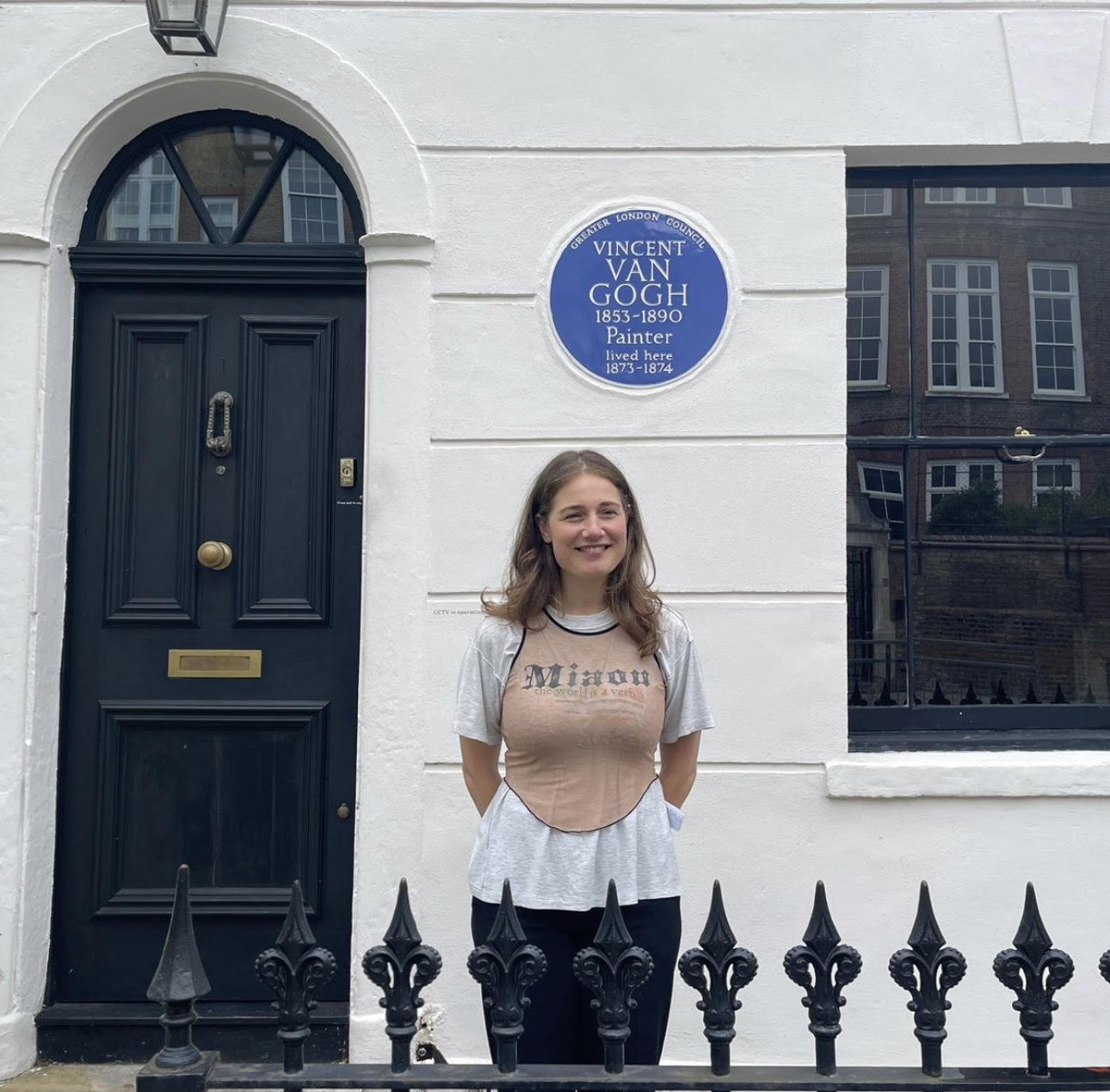
Vibeke Mascini is an artist based in the Netherlands whose practice centres around electric energy. Her work forms in a range of media such as installation, sound, video and text. Impacted by her collaboration with scientists, engineers, government employees, and musicians. Mascini understands electric energy as a type of consciousness and is eager to investigate the nature of its interconnectedness and entanglement alongside its complex relationship between source and user.
Previously Mascini has focused on the surprising material which electricity is derived from through incineration or cremation. Whale carcasses, melting glaciers and confiscated cocaine name a few items which Mascini has worked with. Mascini’s exhibitions ( Instar 202, Ray 2022, Lethe 2022) play with the mystery of memory, and most presently explore the sensory experiences that meet our newest technology, specifically in the growing field of energy storage systems.
In residence, Vibeke Mascini aimed to investigate the impact of Vincent Van Gogh’s legacy on the people who lived in the house after Van Gogh left London. The inspiration Van Gogh brought to the people who followed, but also those who have been remembered that would have otherwise been forgotten. The late Ms Smith who lived in the house when Van Gogh’s residence in Brixton was discovered, the Postman who discovered Van Gogh’s footing in the first place. James Wigmore’s toys, the dress makers, the independent women-led schooling, or the organisation that lives here today!
The Electricity circuit is a metaphor for Van Gogh’s legacy. The constant carrier for light, energy, and inspiration. Mascini spent a lot of time researching local histories around electricity, originally showcased to Brixton in 1888 bringing light to Electric Avenue, Mascini investigated the once scepticism then embrace of wonder and magic that electricity brought to London.
Mascini assessed Van Gogh Houses’s electrical system and how its infrastructure revealed decades of entangled pasts and electrical invention. Mascini discussed such histories with the electrician who rewired Van Gogh House in 2018 for its renovation. The original circuit has now been removed and replaced.
How we treat electricity is not the same as the early 20th century, we no longer leave buckets underneath the wires thinking it will expel some kind of electrical fluid. We instead hide it. It is custom to conceal it. And in a strange way, it is still as much of a mystery to us as it was in the 1920s. To end her residence at Van Gogh House Mascini wanted to create a work that bridged our external world to the intimate world of electricity, demystifying to us what connects us to a network of systems larger than ourselves.
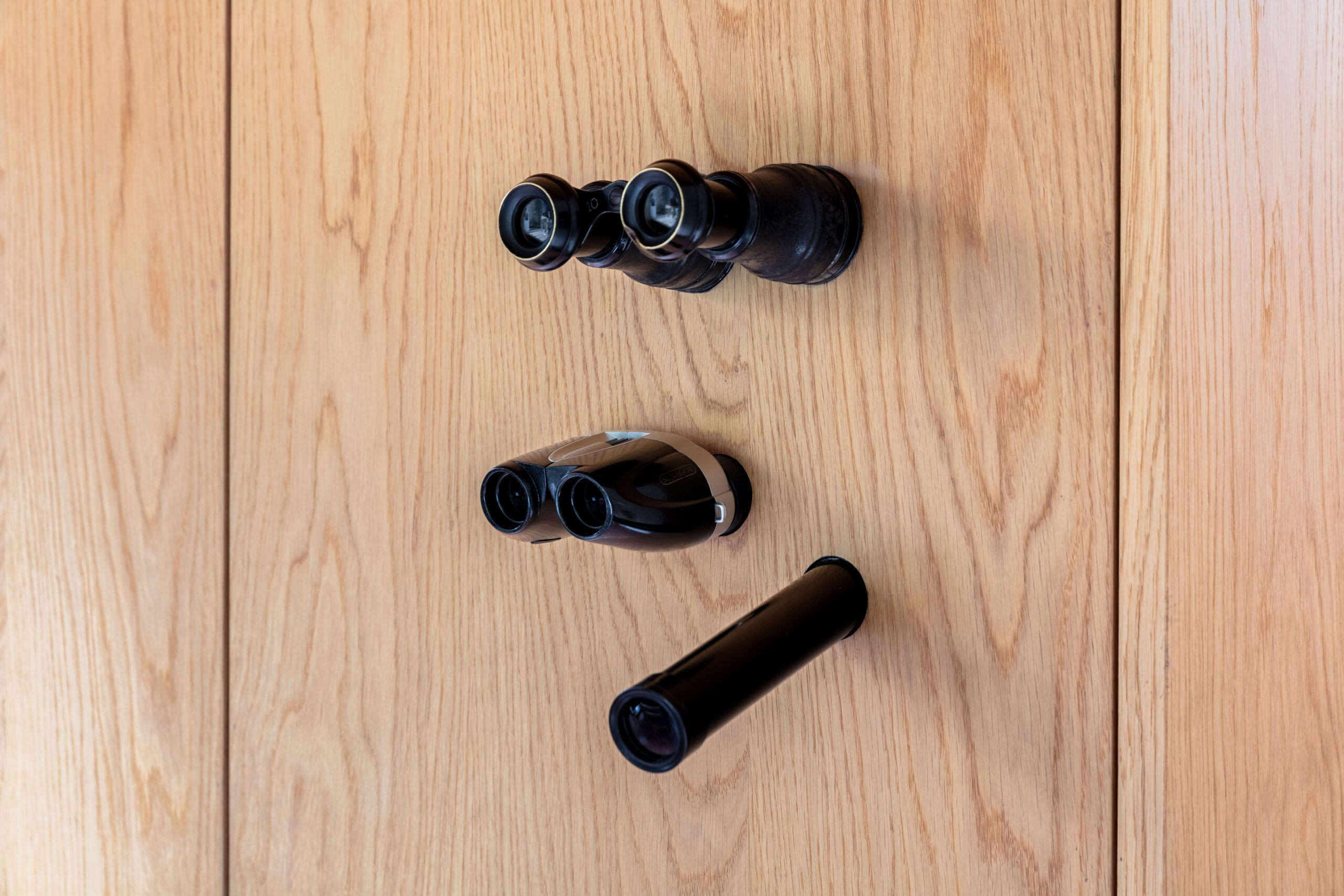
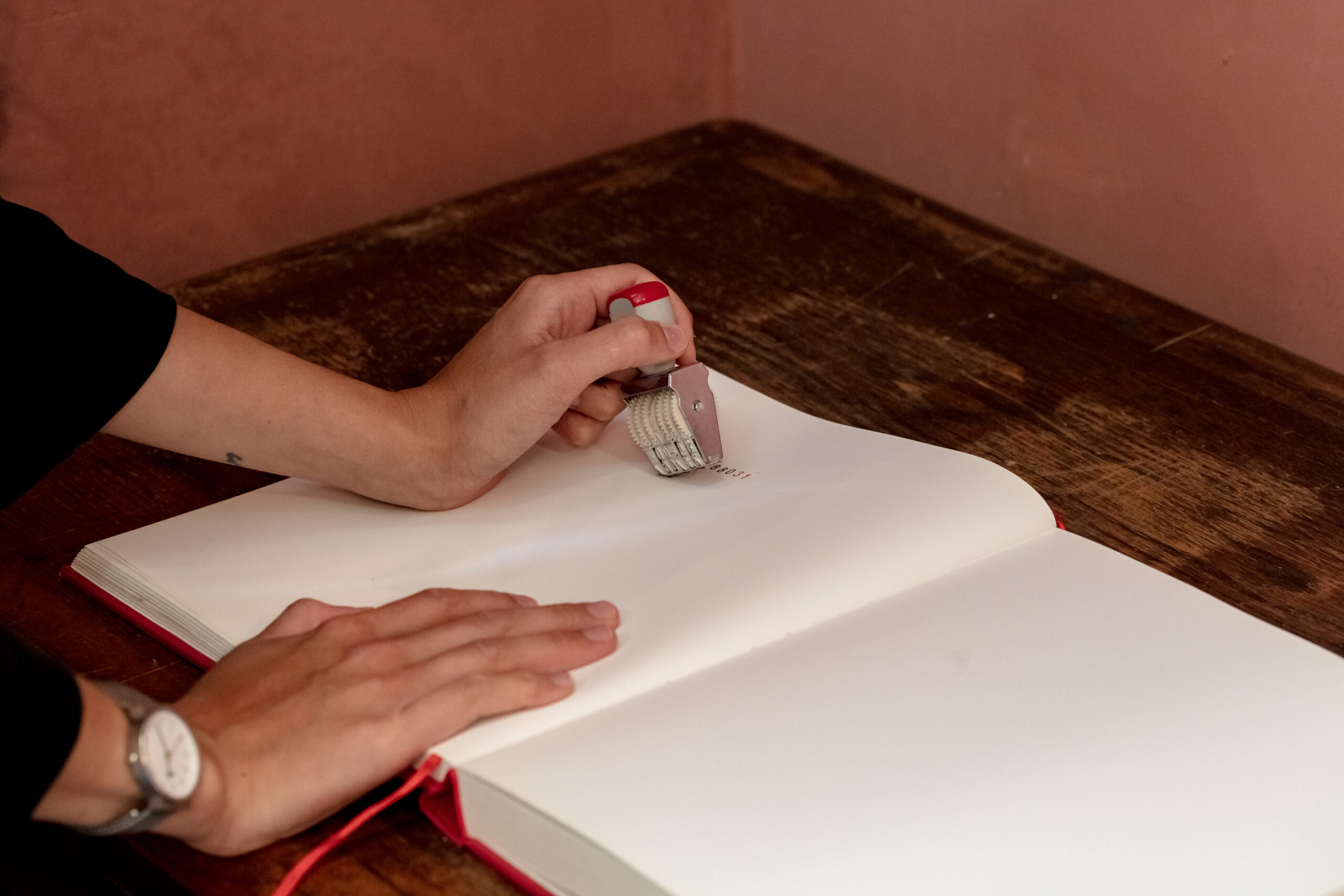
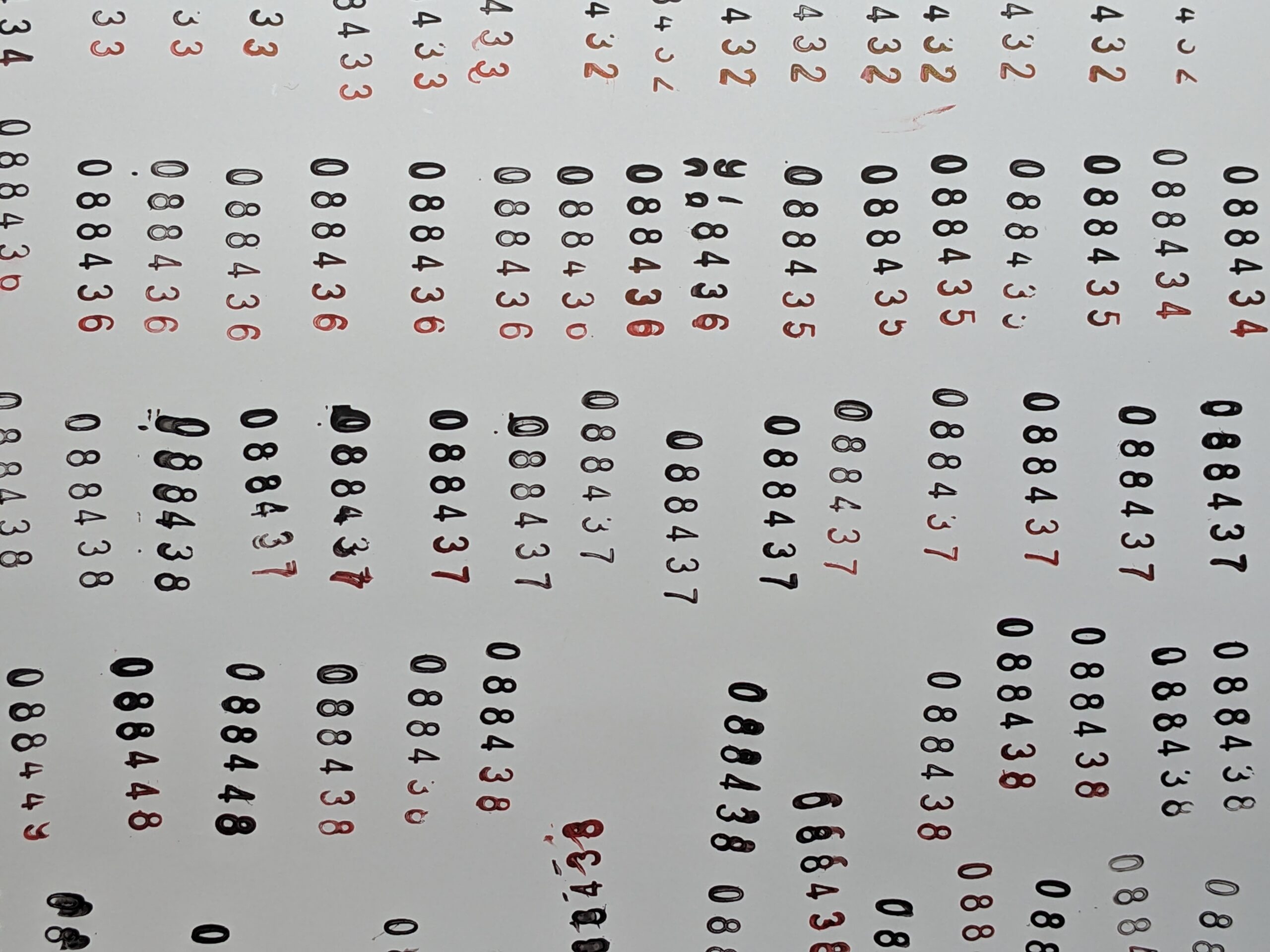
After searching in second hand camera shops and flea markets for antique binoculars, opera glasses and telescopes, Mascini installed a permanent work within Van Gogh House. A series of view-finding objects have been inserted into our kitchen cupboard encouraging visitors to look beneath the surface of the house towards our electricity meter. This piece allows visitors to consider deeply the ways in which everything leads back to an unseen power flowing through our house as well as the world around us. At the launch of this exhibition participants were asked to look at the meter and print the amount of energy used into our guest book to log how much electricity was used. Quantifying the Vincent inspiration while creating a tangible nature to the electricity readings.
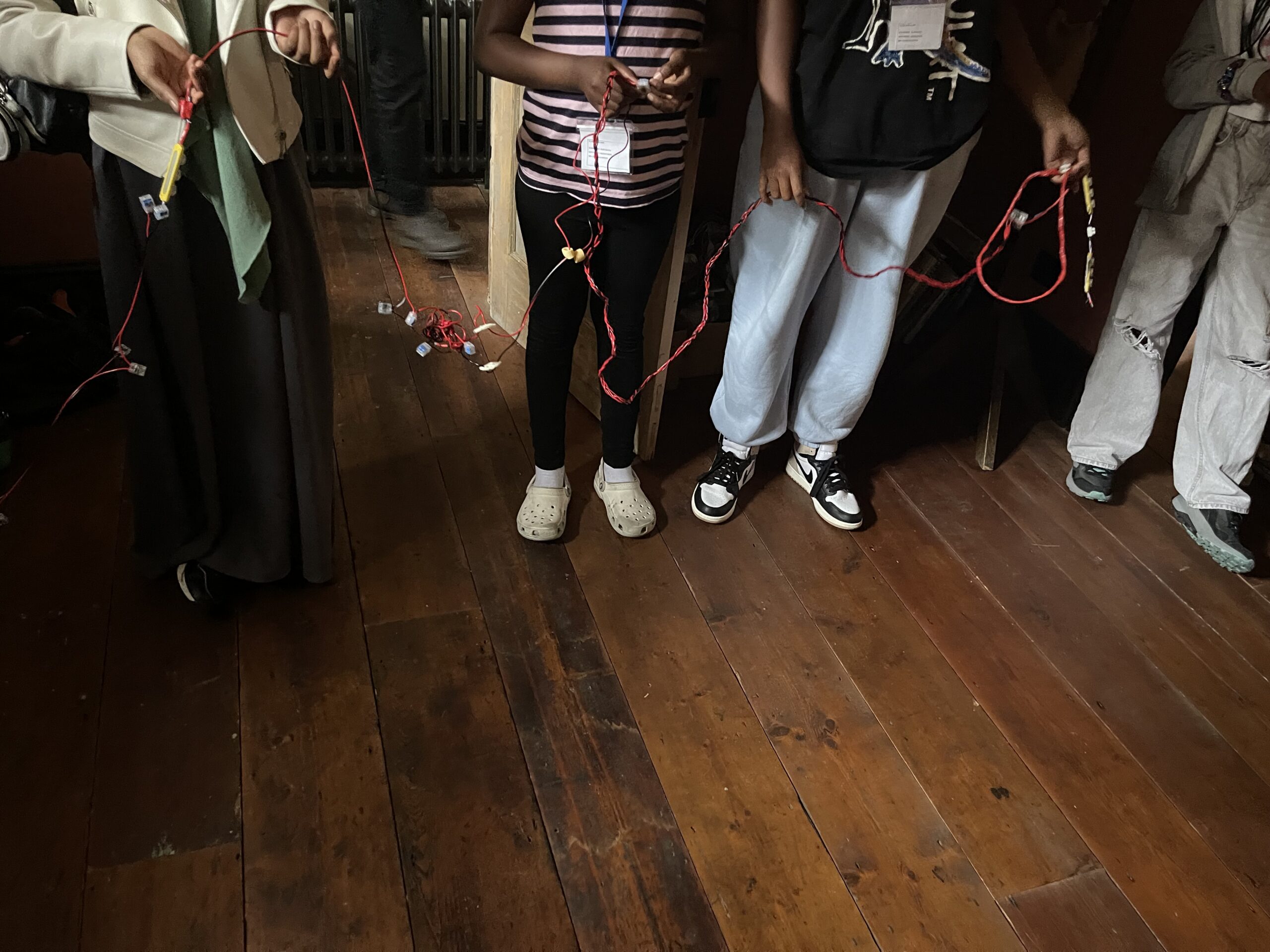
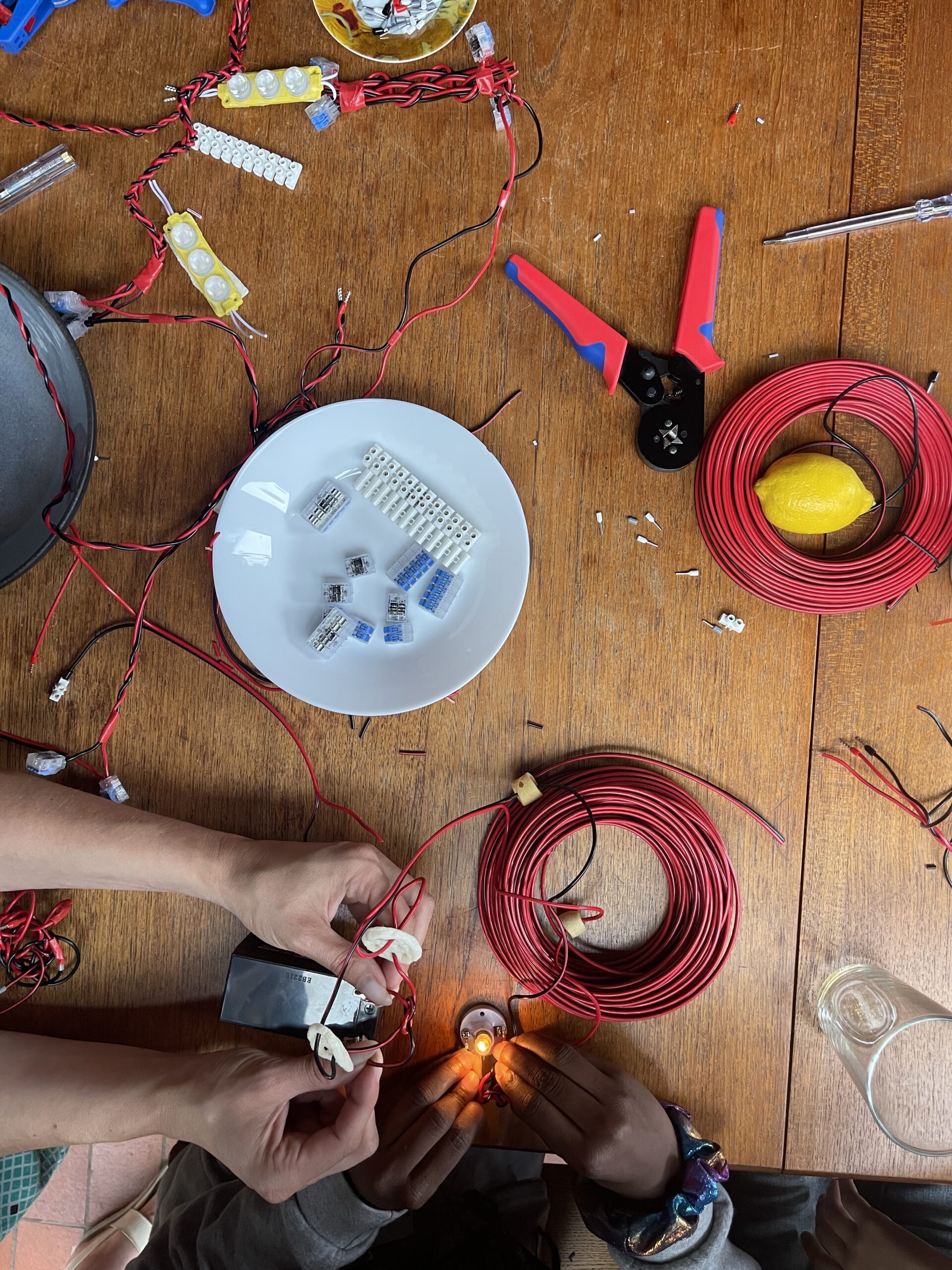
Near the end of her residency Vibeke Mascini collaborated with one of our partner groups, the Baytree Centre, to lead an exciting electrical based workshop for young girls. The Baytree centre is a charity organisation based in Brixton that aims to empower women and girls through a range of personal development programmes. Mascini embraced this legacy, touring while teaching about the science behind electricity and infrastructures within Van Gogh House that tell the story of industrial development in Brixton. The workshop aimed to provide insight into the subtle scientific elements of electricity in daily life, whilst empowering young girls in a field usually dominated by men, to learn while embracing their imagination.
This residency was generously supported by The Embassy of The Kingdom of The Netherlands and The Mondriaan fund.

